
Introduction to Gochujang Noodles
What are Gochujang Noodles and why you’ll love them?
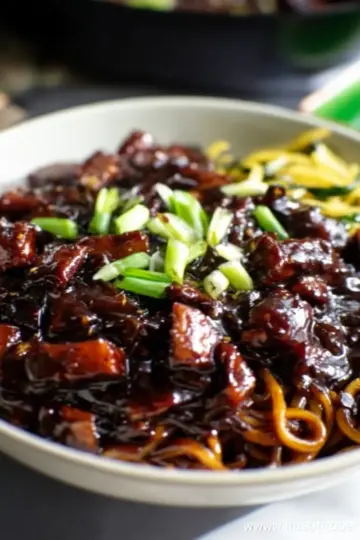
If you’re in the mood for a quick yet awakening meal, look no further than gochujang noodles! This dish is all about the vibrant and spicy-sweet richness of gochujang, a traditional Korean fermented chili paste that packs a flavor punch. Combined with udon noodles and an array of fresh vegetables, it creates a wholesome meal that's not only satisfying but also bursting with umami.
The beauty of gochujang noodles lies in their versatility. You can customize them with your favorite veggies, whether it's crunchy bell peppers or tender Napa cabbage, making it a fantastic way to incorporate more greens into your diet. Plus, they whip up in just 30 minutes—perfect for busy weeknights!
What’s more? This dish is entirely vegan and vegetarian-friendly, catering to a wide range of dietary preferences. The alluring aroma of sizzling garlic and ginger, paired with the spicy kick of gochujang, makes it nearly impossible not to fall in love at first bite.
So if you’re ready to elevate your noodle game, these gochujang noodles could become your new go-to recipe for a quick, flavorful meal. Ready to dive in? Let’s get cooking!
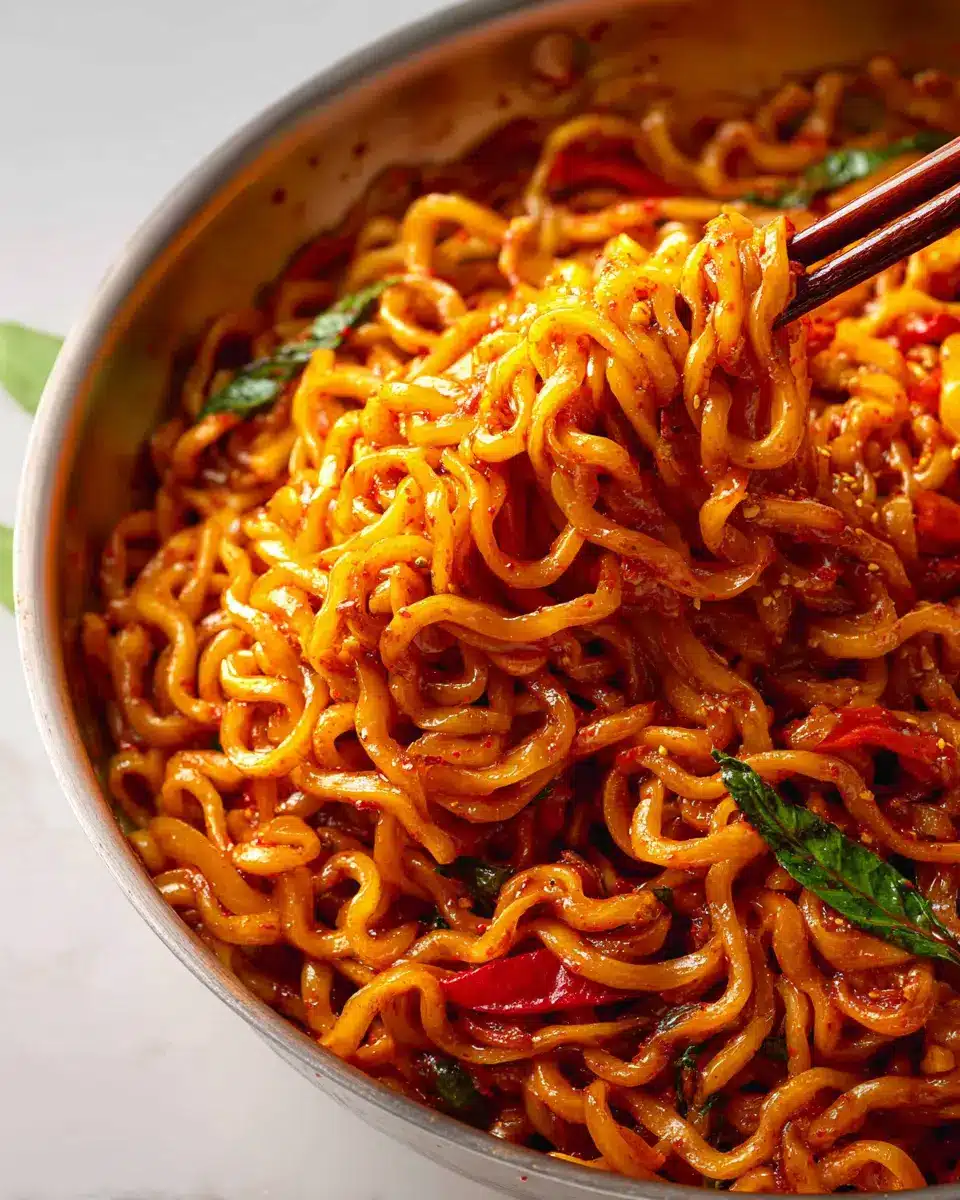
Ingredients for Gochujang Noodles
Essential ingredients for delicious Gochujang Noodles
Creating a mouthwatering bowl of gochujang noodles starts with some key components:
- Udon noodles: Fresh (16 ounces) are ideal, but dry noodles can work in a pinch.
- Gochujang: This spicy fermented Korean chili paste (3 tablespoons) brings the signature flavor.
- Aromatics: Fresh garlic and ginger (4 cloves garlic, 1-inch ginger) add depth and warmth.
- Vegetables: Scallions (1 bunch) and Napa cabbage (6-8 cups) or bell peppers (2 medium) introduce fresh textures.
- Liquid flavorings: Toasted sesame oil (1 tablespoon), soy sauce (2 tablespoons), and mirin (2 tablespoons) balance the richness.
Optional ingredients to elevate your dish
To take your gochujang noodles to the next level, consider adding these optional ingredients:
- Gochugaru: A sprinkle of this Korean chili powder (1 tablespoon) enhances the spice profile.
- Thai basil leaves: A handful adds a fragrant, herbal note.
- Roasted sesame seeds: (¼ cup) not only enhance flavor but also add a delightful crunch.
- Vegetable broth: Replace some of the water during cooking for extra umami.
These thoughtful additions not only amp up the flavor but can also cater to personal preferences or dietary needs.
Step-by-step Preparation of Gochujang Noodles
Cooking Gochujang Noodles is not just a meal; it’s a delightful culinary adventure! With a time commitment of just 30 minutes, you will be rewarded with a deliciously spicy and flavorful dish. Let’s break down the preparation into manageable steps.
Gather and prep your ingredients
Before starting your cooking journey, it’s essential to gather all your ingredients to streamline the process. Here’s what you’ll need for these Gochujang Noodles:
- Noodles: 16 ounces of fresh udon noodles (you can substitute with ramen or soba if needed).
- For the sauce: Gochujang, toasted sesame oil, soy sauce, mirin, brown sugar, and optional gochugaru.
- Aromatics and veggies: Neutral oil, scallions, garlic, ginger, Napa cabbage or bell peppers, and roasted white sesame seeds.
Chopping your vegetables and measuring out the sauce ingredients in advance makes cooking so much smoother. Plus, it’ll keep you focused on the task at hand!
Cook the udon noodles
Bring a large pot of salted water to a boil. To achieve the perfect texture, cook the udon noodles for a minute less than instructed. Use chopsticks or a fork to loosen the noodles as they cook. After just one and a half minutes, scoop out some noodle water (this will help in combining everything later!) and drain the noodles. Keep them aside and let the textures settle—this is key to a great bite!
Whisk together the gochujang sauce
In a separate bowl, whisk together these components:
- 3 tablespoons of gochujang
- 1 tablespoon of toasted sesame oil
- 2 tablespoons of soy sauce
- 2 tablespoons of mirin
- 1 ½ tablespoons of organic brown sugar
- 1 tablespoon of gochugaru (optional)
This gochujang sauce is the star of your dish, bringing the rich umami flavor that makes the noodles so irresistible. Give it a taste—how delightful!
Sauté the aromatics and vegetables
In a large frying pan, heat a tablespoon of neutral oil over medium-high heat. Once shimmering, add the whites of the scallions along with garlic and ginger. Season lightly with salt to release their flavors. If you opted for bell peppers, toss those in now. After about two minutes of cooking, stir in the Napa cabbage (if using) and sauté until it wilts a bit—about three minutes. That aroma? It’s your cue that you’re on the right track!
Combine noodles, sauce, and vegetables
Once the vegetables are tender, it’s time to combine everything. Add the gochujang sauce and sesame seeds to the pan; let it sizzle for a moment. Gently toss in the drained noodles, using tongs to coat them in that sumptuous sauce. If it appears too dry, a tablespoon or two of your reserved noodle water will work wonders. Cook everything together for a couple of minutes—the goal is to have the sauce cling beautifully to your noodles.
Garnish and finish your Gochujang Noodles
To give your Gochujang Noodles that final touch, stir in a handful of fresh Thai basil leaves or chopped cilantro, along with a drizzle of toasted sesame oil. This adds a layer of freshness that elevates the dish. Serve hot, garnished with the reserved green parts of the scallions and a sprinkle of sesame seeds for that crunchy texture.
Enjoy your flavorful adventure with these Gochujang Noodles! Invite friends over or enjoy this comforting dish solo—it’s truly a crowd-pleaser. If you're looking to expand your culinary repertoire, you might also want to explore other Korean-inspired dishes!
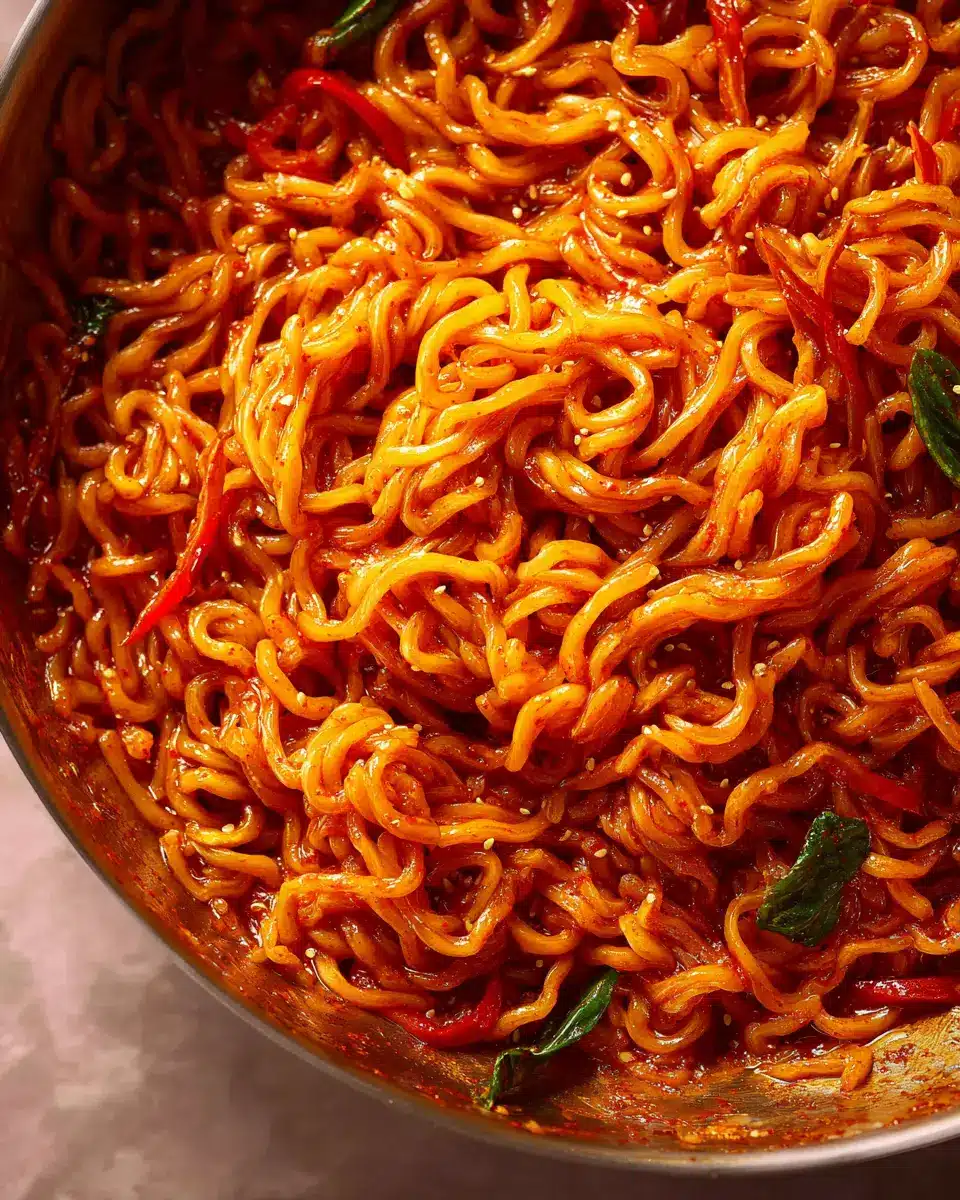
Variations on Gochujang Noodles
Spicy Gochujang Noodles with Tofu
For an extra protein boost, try adding crispy tofu to your gochujang noodles. Simply cube some firm tofu and pan-fry it until golden brown before tossing it in with the noodles and sauce. Not only does this combination pack a nutritional punch, but it also adds a delightful texture contrast to your bowl.
Gochujang Noodles with Seasonal Vegetables
Make the most of fresh produce by incorporating seasonal vegetables into your gochujang noodles. Whether it’s vibrant bell peppers in summer or hearty kale in winter, the seasonal twist not only enhances flavor but also provides a colorful and nutritious meal option. Mix and match your favorites to keep things exciting! For more inspiration on seasonal cooking, check out seasonal ingredient lists.
Cooking Tips and Notes for Gochujang Noodles
Tips for Perfect Noodle Texture
To achieve the ideal texture for your gochujang noodles, it's essential to cook the noodles just right—boil them for a minute less than the package directions. Fresh udon noodles typically need just 1-2 minutes, which keeps them chewy and tender rather than mushy. Remember to save a bit of noodle water; it’s perfect for adjusting the sauce consistency later!
Suggestions for Maximizing Flavor
Maximize flavor by allowing the aromatics to cook until fragrant before adding your sauce. High heat brings out the vibrant taste of garlic and ginger, setting a delicious base. Don’t skimp on the sesame oil and gochujang! Tossing in fresh herbs like Thai basil or cilantro before serving elevates your dish with a burst of freshness. For more tips on flavor, check out Serious Eats.
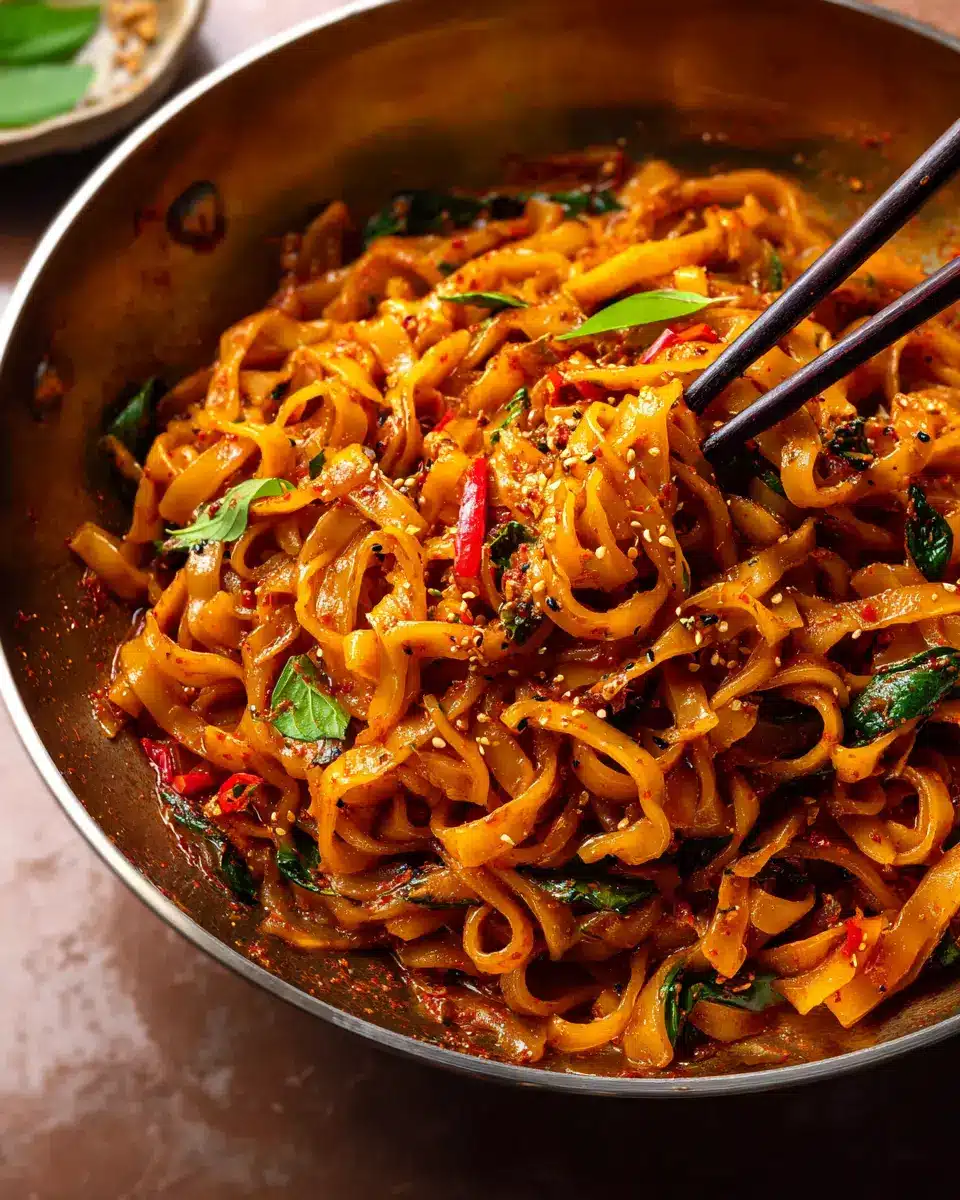
Serving Suggestions for Gochujang Noodles
Ideal Pairings and Side Dishes
These gochujang noodles shine when paired with light and refreshing side dishes. Consider serving them alongside:
- Miso Soup: A warm bowl of miso soup can complement the spicy noodles perfectly.
- Korean-Style Salad: A crisp salad with sesame dressing adds a delightful crunch.
- Sautéed Greens: Simple sautéed bok choy or spinach can balance the dish’s heat while adding nutrients.
Presentation Tips for an Enticing Meal
To serve your gochujang noodles beautifully, consider these simple yet effective presentation tips:
- Use Color: Garnish with vibrant herbs like Thai basil or cilantro for a pop of color.
- Layering: Serve in deep bowls and layer the noodles with extra veggies on top for visual appeal.
- Drizzle Sesame Oil: A final drizzle of toasted sesame oil not only enhances flavor but also gives a glossy finish.
By keeping these suggestions in mind, you’ll create a meal that’s as pleasing to the eyes as it is to the palate!
Time Breakdown for Gochujang Noodles
Preparation Time
Preparing your ingredients for gochujang noodles takes about 20 minutes. This includes slicing vegetables and whisking together the flavorful sauce. Don’t rush this part; it gets everything ready for the cooking phase!
Cooking Time
The cooking process is quick, only about 10 minutes. Once your prep is done, cooking the noodles and stir-frying the aromatics is a breeze, making this dish perfect for a busy weeknight meal.
Total Time
In total, you’ll need just 30 minutes to whip up this delicious meal. From prep to plate, you’ll have a delightful Korean-inspired noodle dish that’s hearty and satisfying in no time!
Want to learn more about the benefits of Korean cuisine? Check out resources from The Korean Cultural Center to deepen your culinary knowledge!
Nutritional Facts for Gochujang Noodles
Calories
A serving of these delicious gochujang noodles packs about 400 calories, making it a satisfying yet light choice for dinner.
Carbohydrates
With approximately 70 grams of carbohydrates per serving, these noodles are a great source of energy, perfect for fueling your busy lifestyle.
Protein
Each bowl offers around 12 grams of protein thanks to the combination of vegetables and udon noodles, helping keep you full and satisfied.
For more insights on nutritional needs, visit Healthline. Or if you're curious about meal planning, check out EatingWell.
FAQs about Gochujang Noodles
Can I use other types of noodles?
Absolutely! While udon noodles bring a delightful chewiness to Gochujang Noodles, feel free to switch things up with other noodle varieties like rice noodles, soba, or even spaghetti. Just keep in mind the cooking times may vary slightly, so adjust accordingly to achieve the perfect texture.
How to adjust spice levels in Gochujang Noodles?
Great question! If you prefer your Gochujang Noodles less fiery, you can start with just 1 tablespoon of gochujang. Gradually add more to taste as you stir in the sauce. Adding a touch of coconut sugar or agave nectar can also help mellow out the heat while keeping that savory depth.
What are good substitutes for gochujang?
If you’re in a pinch and don’t have gochujang on hand, a mix of red chili paste and soy sauce can work as a decent swap. While it may not replicate the exact flavor, it will still deliver a nice kick. You can also explore making a homemade version using miso, chili powder, and a bit of honey for sweetness.
For more insights on Korean-inspired recipes, check out Serious Eats for inspiration!
Conclusion on Gochujang Noodles
Why homemade Gochujang Noodles are a great choice!
Deliciously spicy and savory, homemade Gochujang noodles offer a delightful twist to your weeknight meals! They're quick to prepare, taking just 30 minutes, and packed with vibrant flavors from fresh veggies and a luscious sauce. Plus, customizing the ingredients ensures a dish that's just right for you. Try making them tonight!
Gochujang Noodles
Equipment
- large frying pan
- pot
- Chopsticks
Ingredients
Udon Noodles
- 16 ounces fresh udon noodles (see Note 1 for subs)
Gochujang Sauce
- 3 tablespoons gochujang (see Note 2)
- 1 tablespoon toasted sesame oil
- 2 tablespoons soy sauce (use tamari for GF)
- 2 tablespoons mirin (or rice vinegar)
- 1.5 tablespoons organic brown sugar (see Note 3)
- 1 tablespoon gochugaru (optional)
Aromatics and Vegetables
- 1 heaping tablespoon neutral-flavored oil
- 1 bunch scallions (whites and light greens chopped into 1-inch pieces, dark green tops sliced thinly on a bias, reserved for garnish)
- 4 cloves garlic (finely chopped)
- 1 inch piece ginger (grated or minced)
- 6 to 8 cups Napa cabbage or bell peppers (thinly sliced, see Note 4)
- 0.25 cup roasted white sesame seeds (32g)
Finishing
- Thai basil leaves (or fresh cilantro, chopped)
- toasted sesame oil (for drizzling)
Instructions
Cooking Instructions
- Cook the noodles according to the package, but cook for a minute less to avoid a soggy dish. For fresh udon noodles, add to a pot of boiling water and cook for 1 minute; use a chopstick to loosen the noodles from their bundle and cook for another 30 seconds.
- Scoop out some noodle water, then drain the noodles.
- Make the sauce. Whisk together the gochujang, toasted sesame oil, soy sauce, mirin or vinegar, sugar, and gochugaru if using. Set aside.
- Cook the aromatics. Heat the oil in a large frying pan over medium-high heat. Once shimmering, add the scallion whites and greens, garlic, and ginger (and bell pepper, if using). Season with a pinch of salt and cook for 1 to 2 minutes over medium-high heat. If using Napa cabbage, add it now; season with a pinch of salt, and stir-fry for 3 minutes, or until it reduces in size and is tender but not soft.
- Add in the gochujang sauce and the sesame seeds and allow to sizzle. Add in the cooked noodles and use tongs to coat them in the sauce. If it feels dry, add a spoon or two of noodle water to bring the sauce together (more likely the case when using dry noodles; fresh udon noodles usually don’t need the water). Cook for 1 to 2 minutes, or until the sauce clings to the noodles.
- Off the heat, stir in the Thai basil and a drizzle of toasted sesame oil.

Leave a Reply